
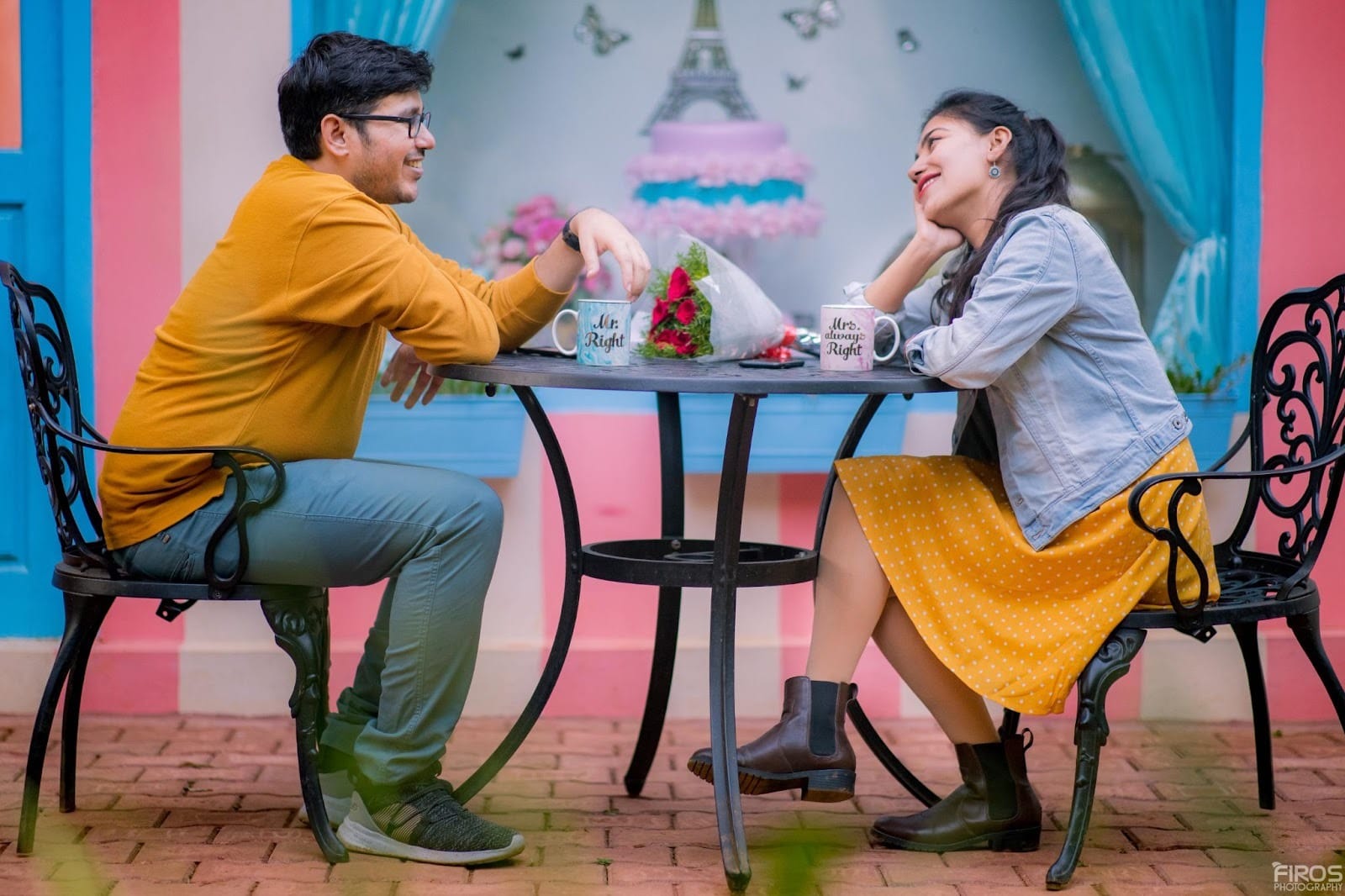
Why “Candid” Photos Often Disappoint Couples
Many couples walk away from their wedding photos feeling something is missing. The images look pleasant and well-lit, yet they don’t fully reflect how the day felt.
Most people assume candid wedding photography fails because of cameras, lighting, or editing styles. In reality, that’s rarely the truth.
The most common candid wedding photography mistakes happen long before the camera is raised.
Candid photos don’t fail because of equipment.
They fail when couples try to control moments instead of living them.
When emotions are directed, repeated, or performed, authenticity drops. This is why many couples unknowingly experience photography mistakes couples make, even when they’ve hired a good professional.
Understanding how candid photography actually works is the first step toward achieving natural wedding photography that feels real, not rehearsed.
Why Candid Photography Builds Memories

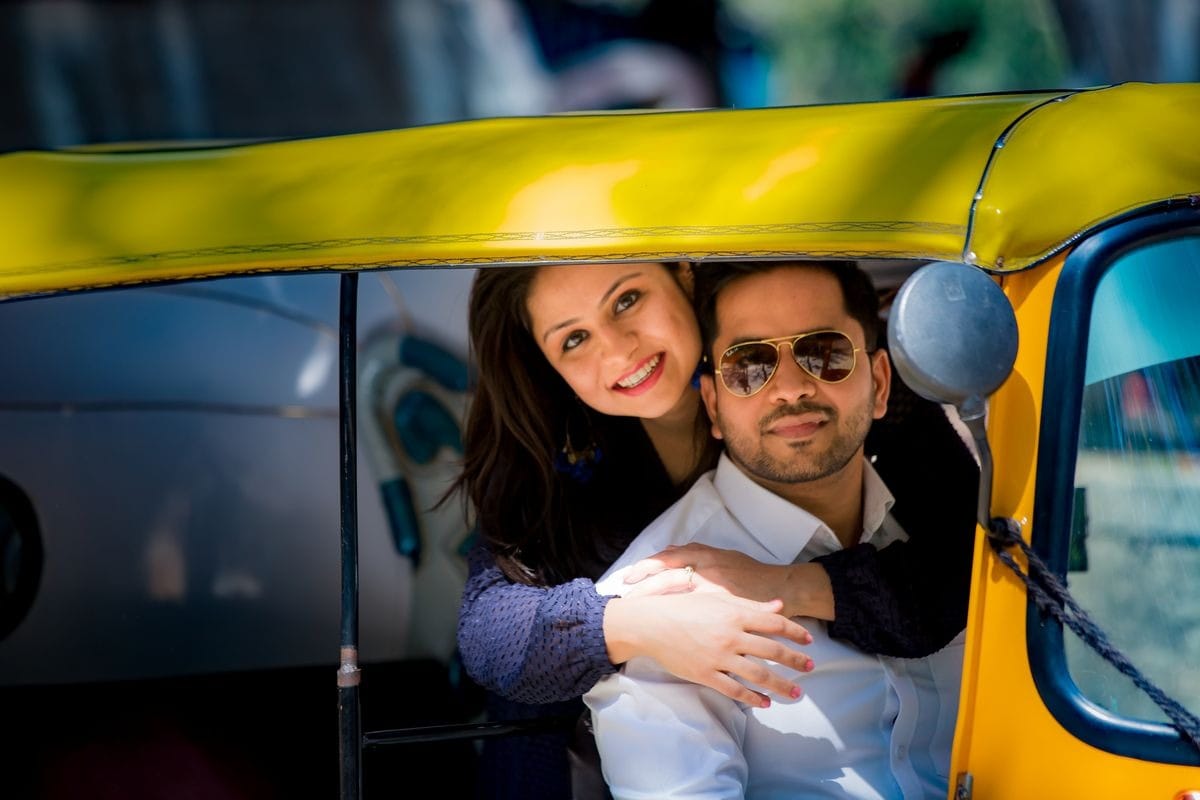
Candid photography is not just a trend. It’s a memory-making approach.
A strong candid image captures:
- Reactions that weren’t planned
- Expressions that appeared naturally
- Moments that unfolded without awareness of the camera
In cities like Bangalore, a couple photoshoot in Bangalore or a wedding shoot often becomes a deeply emotional archive of life’s biggest milestones. But candid photography only succeeds when couples trust the process rather than try to manage it.
While camera gear and lighting matter, candid photography relies far more on emotional timing, awareness, and restraint. This is why working with experienced professionals—whether premium studios or budget pre wedding photographers in Bangalore—is less about price and more about approach.
The best candid wedding photography style is built on presence, not performance.
5 Common Candid Wedding Photography Mistakes (And How to Avoid Them)
Mistake 1: Treating Candid Photography Like a Posed Shoot
This is the most common of all candid wedding photography mistakes.
Couples often blur the line between captured moments and candid moments. When couples:
- Give constant instructions
- Ask, “Is this candid?” repeatedly
- Re-do reactions for the camera
…the emotion changes.
Why this breaks candid photos:
- Emotions can’t be recreated on cue
- Once you perform, authenticity drops
- The image becomes staged instead of sincere
How to avoid it:
Decide before the wedding to trust your photographer. Experience moments once, fully. Review images later. This single mindset shift improves candid photography more than any pose ever could.
Mistake 2: Over-Planning Every Emotion of the Day
A well-planned wedding is important. An over-planned emotional experience isn’t.
Many couples schedule their wedding day minute-by-minute, even inserting “emotional moments” into timelines. The problem is that real candid moments don’t work on schedules.
They happen:
- While waiting
- Between rituals
- During quiet pauses
- In unscripted interactions
How to avoid it:
Build breathing space into your timeline. Leave room for the unexpected. Some of the strongest candid wedding photography ideas in 2026 focus less on structure and more on emotional flow.
This is a psychological element many photographers overlook—and one that separates average photos from meaningful ones.
Mistake 3: Performing for Guests Instead of Being Present
Weddings are public celebrations, but the emotions are personal.
Many couples unintentionally perform because they:
- Feel constantly observed
- Smile on command
- Suppress genuine reactions
Impact on photos:
- Expressions appear polite, not personal
- Images feel “nice,” but not memorable
How to fix it:
Shift your attention from guests to each other. Treat moments as private, even when they happen in public.
Your wedding photos should remind you how it felt, not just how it looked.
Mistake 4: Not Understanding Your Photographer’s Candid Style
One of the most overlooked photography mistakes couples make is assuming all candid photographers work the same way.
In reality:
- Some observe quietly
- Some guide lightly with prompts
- Some blend documentary and editorial approaches
How to avoid mismatch:
Ask your photographer how they approach candid moments. Look at full wedding stories, not just highlight reels. Style alignment matters more than any list of candid wedding photography tips.
Mistake 5: Thinking “Candid” Means Zero Direction
Candid does not mean chaotic.
One of the biggest misunderstandings around candid wedding photography poses is believing they involve no guidance at all.
In reality, strong candid photography uses:
- Gentle positioning
- Light prompts instead of rigid poses
- Natural movement cues
The best candid wedding photography style exists between structure and freedom. When couples understand this balance, candid images feel effortless—not accidental.
How to Get Better Candid Wedding Photos
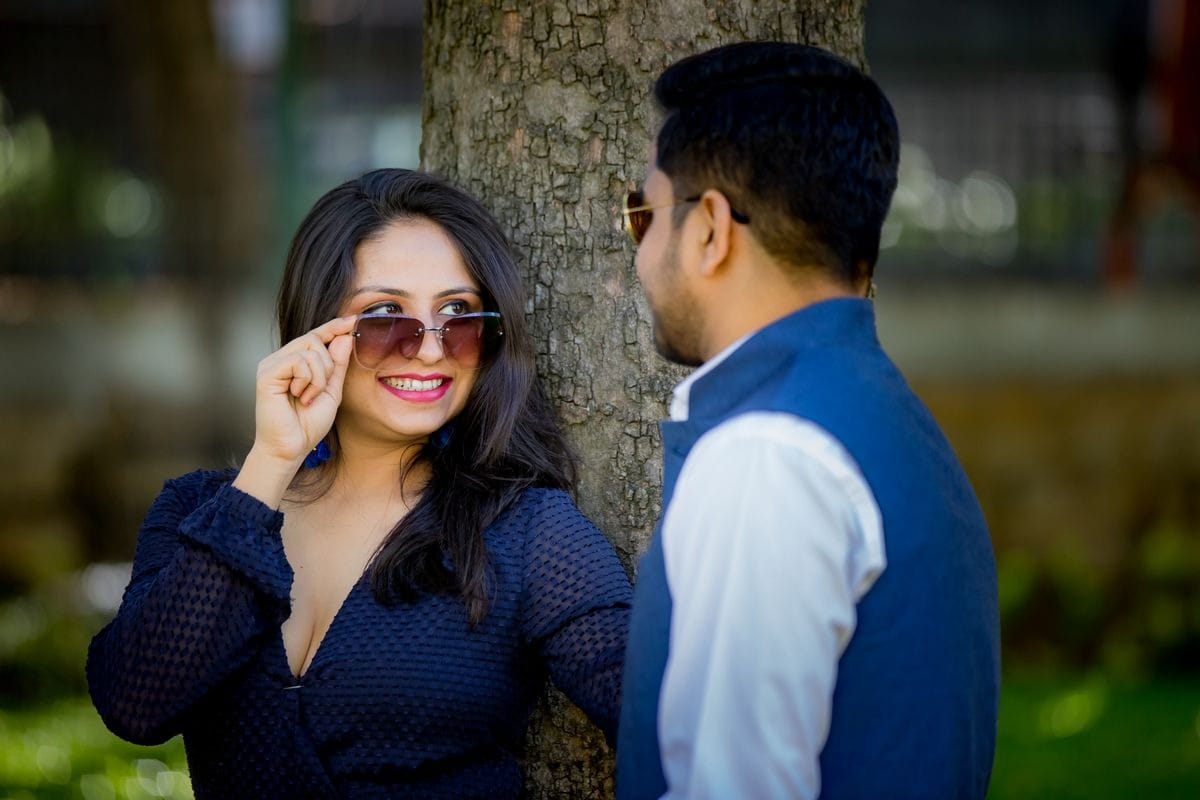
Great candid photos don’t come from doing more. They come from letting go of control.
Helpful mindset shifts:
- Feel first, react later
- Experience moments fully, once
- Let go of how things should look
Practical candid wedding photography tips that actually help:
- Share emotional priorities, not visual checklists
- Tell your photographer what matters to you personally
- Trust silence; not every moment needs direction
When couples and photographers work in sync, candid photography stops feeling stressful and starts feeling natural.
The Takeaway: The Best Candid Photos Are Lived, Not Created

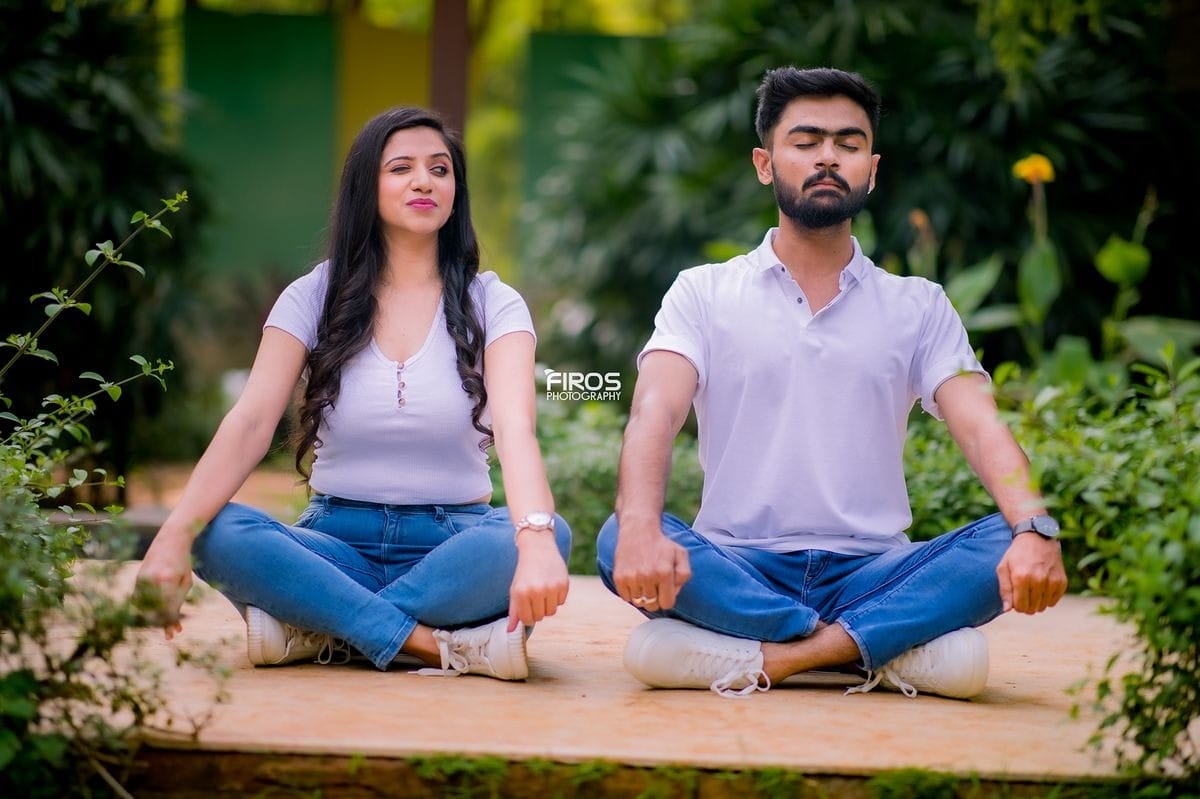
Years later, you won’t remember the pose.
You’ll remember:
- The laughter you didn’t plan
- The tear you didn’t expect
- The hug you forgot the camera was watching
That’s the heart of candid wedding photography.
At Firos Photography, candid storytelling is rooted in observation, patience, and respect for real emotions—not staging them. When couples understand the intent behind candid photography, the experience becomes calmer, more meaningful, and far more memorable.
Whether you’re planning a wedding, a couple photoshoot in Bangalore, or working with budget pre wedding photographers in Bangalore, the principle remains the same:
Natural moments don’t need to be manufactured. They only need space to happen.